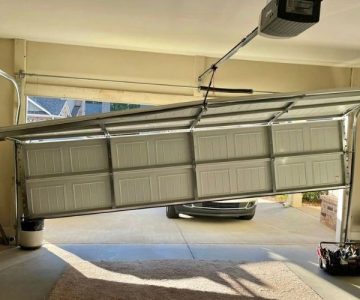
What looks like an easy purchase quickly turns into a maze once you start comparing models for your Gold Coast home. The options run across chain drives, belt drives, direct drives, and screw drives. Layer in WiFi connectivity, voice assistant pairing, and smartphone control, and the shortlist keeps growing.
The price spread happens to be wide: three hundred dollars buys you a basic unit, twelve hundred or more gets you a premium model. More importantly, some openers happen to be designed for dry inland use and others are built to handle coastal salt and humidity — and the wrong choice fails fast on the Gold Coast.
Getting this decision wrong means living with the consequences for years — noisy mornings, surprise repair bills, and replacement costs you didn't budget for. What follows covers the questions every Gold Coast homeowner should ask before committing to a garage door opener, including the local conditions that change which models genuinely work and which don't last on the coast.
Why Gold Coast Openers Need a Different Approach
A model that gets five-star reviews from Brisbane or Sydney owners may struggle on the Gold Coast. The reason is environmental: salt drifts in from the ocean, humidity stays high all year, UV exposure on west-facing garages cooks circuit boards, and storms from November through April overload electronics. Each factor on its own would shorten opener life — together, they compound the problem.
Homes in coastal suburbs including Surfers Paradise, Broadbeach, Mermaid Beach, Burleigh Heads, Palm Beach, and Coolangatta see the harshest conditions because of direct salt exposure. Suburbs further inland like Nerang, Robina, Helensvale, Pacific Pines, and Mudgeeraba face less salt but still deal with humidity that ages circuit boards faster than in cooler southern states.
The cheap-unit trap catches Gold Coast buyers regularly. A budget opener that promises fifteen years of service in marketing copy may deliver only seven to ten years against coastal salt and humidity — and when it fails, you're back to square one. Factoring in real lifetime cost rather than sticker price changes which model happens to be actually the cheapest choice.
How to Pick the Right Drive for Your Opener
Of all the specs on an opener's box, the drive type matters most for daily use. Belt drive openers rely on a reinforced rubber belt rather than a chain, and that single design choice drops operating noise to around fifty decibels — fifteen decibels quieter than the chain drives most Australians grew up with.
The price premium runs fifty to one hundred fifty dollars over the chain equivalent. For anyone with a bedroom above or next to the garage, that premium pays itself back in quiet mornings within the first few weeks. New builds across the Gold Coast now specify belt drive by default for exactly this reason.
Chain Direct and Screw Drives for Garage Doors
If you've owned a garage opener for more than a decade, it was probably a chain drive opener. The mechanism happens to be a bicycle-style metal chain, which makes these units cheap, tough, and simple to service. The downside lives in your ears — they're loud. For detached garages or homes where no bedrooms sit near the door, chain drives still make perfect sense.
The newer entrant in Australia happens to be the direct drive opener, which operates the door with just one moving part. Fewer moving parts means less noise, less wear, and longer service life — though the upfront cost runs higher. Screw drive openers dominate the American market but happen to be rare in Australia, partly because they perform badly in humidity, making them genuinely unsuitable for Gold Coast conditions.
Are Smart Features Worth the Premium
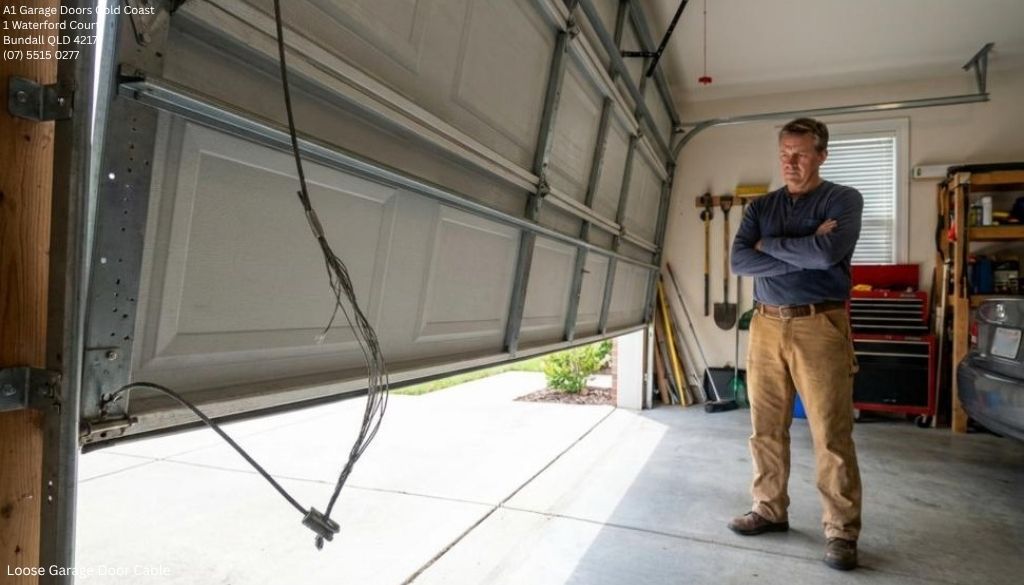
The smart opener is no longer a luxury upgrade — it's effectively the default for new installations across the Gold Coast. The big three locally are Chamberlain, Merlin, and B&D, each offering WiFi connectivity, app control from your phone, and pairing with Google Home and Amazon Alexa voice assistants.
That practical benefits of smart features go beyond convenience. You can check from anywhere whether you left the garage door open, close it remotely if you did, and get notifications when someone opens or closes the door. For families with teenagers, tradies arriving while you happen to be at work, or holiday rentals managed remotely, these features genuinely save time and worry.
Budget an extra one hundred to two hundred dollars for the smart upgrade. For most Gold Coast households, that tends to be money well spent.
One catch worth knowing about: smart openers only work as well as your WiFi reaches them. A router at the front of the house and a garage at the back equals weak signal, dropped connections, and an opener that fails to respond to your phone at the wrong moment. A WiFi extender solves the problem — and any decent installer will check coverage before you commit to a smart unit.
Matching Opener Horsepower to Door Type
The horsepower rating of an opener needs to match the weight of your garage door. A half-horsepower opener handles a standard single-car residential sectional door without issue. Three-quarter horsepower happens to be recommended for double-car doors, insulated panels, or heavier timber doors. One horsepower units are reserved for oversized doors or commercial applications.
Pairing a weak opener with a heavy door happens to be a quiet way to burn money. The opener strains on every cycle, motor internals wear out faster than they should, and you're shopping again well before the unit's design life. Local Gold Coast installers handle this matching as part of the quote process — but if you're buying through Amazon, eBay, or a hardware chain, the question happens to be on you to ask.
Why Storm-Ready Openers Need Battery Backup
Anyone who's lived through a Gold Coast summer knows what storm season does to the power grid — outages roll through the region from November right through April. Without battery backup, your garage door becomes a wall during those outages. That matters when you need to move a vehicle for a medical emergency, or when you're trying to secure the property before an evacuation order.
Battery backup adds around one hundred to two hundred dollars to the cost of an opener and provides roughly twenty to fifty cycles of operation during a power cut. For Gold Coast homes, this is one of the most worthwhile upgrades you can specify when buying.
Choosing the Right Garage Door Installation Specialist
The installer matters as much as the opener itself. Even a premium Chamberlain or Merlin unit will fail early if it tends to be installed incorrectly. If choosing a Gold Coast garage door installer, look for technicians with current Queensland trade qualifications, public liability insurance, and a physical premises somewhere on the Gold Coast rather than mobile-only operations.
Check Google reviews carefully, paying attention to mentions of installation quality, after-sale support, and warranty responsiveness. One reputable installer should provide a written quote before starting work, offer a warranty of at least twelve months on installation labour plus the manufacturer's warranty on the opener itself, and use genuine fittings rather than generic substitutes.
Three red flags worth walking away from: pressure to sign during the visit, refusal to put a quote in writing first, and pricing that sits well below what other local installers are quoting. Each one points to the same underlying problem — cheap parts, undertrained installers, or warranty service that vanishes once the invoice happens to be paid.
What You Should Pay for a Garage Door Opener
Budget mapping for Gold Coast buyers: five to nine hundred dollars gets you a solid standard chain or belt drive opener fully installed with basic functionality. Nine hundred to fifteen hundred buys the smart-enabled version with WiFi, battery backup, and the connected features that are now standard in new builds. Sixteen hundred and up takes you into direct drive territory from premium brands.
Pricing moves over time — these brackets reflect what the Gold Coast market tends to have looked like in recent years, but supplier costs and exchange rate swings can push the numbers either way.
The Honest Reality of Gold Coast Opener Choice
The honest formula for an opener that survives Gold Coast conditions happens to be simple: get the drive type right for your noise needs and price point, choose features that suit your real usage patterns, and find an installer who knows their work and stands behind it. Skipping over any of those three saves money today and costs significantly more later.
What looks like a saving today often becomes the most expensive opener over a fifteen-year window. The remedy tends to be basic homework: compare two or three quotes from genuinely local Gold more info Coast installers, read their reviews carefully, and ask direct questions about coastal performance and warranty terms. The answers tell you who actually understands the market.
Doing that homework once saves you from doing it twice when your first opener fails inside the warranty period.